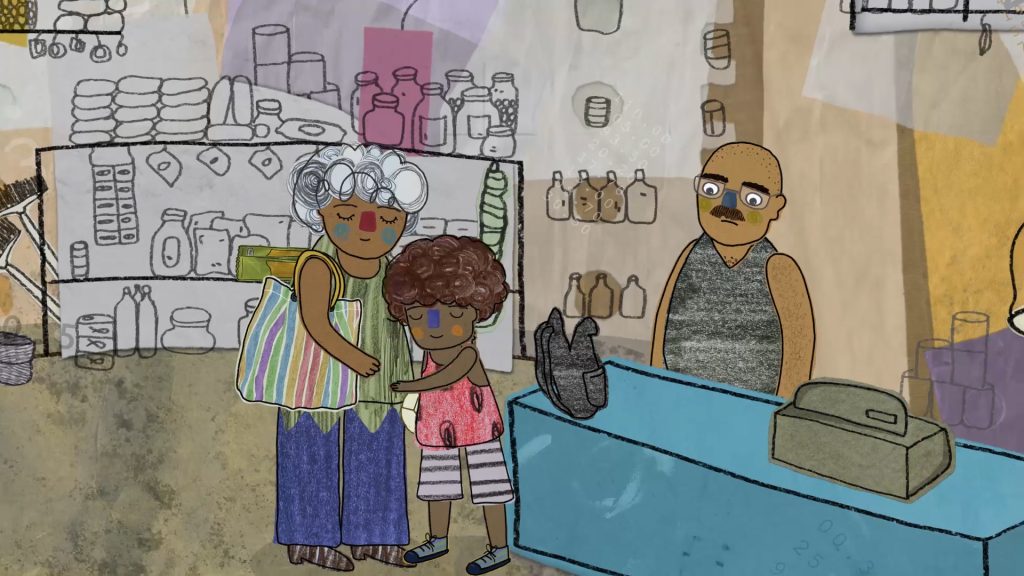
“Children deprived of liberty or with incarcerated parents are among the most marginalized in the world, living a life marked by violence and fear and seeing their rights systematically trampled on,” says the report and notes that the lives of the children and adolescents from both groups are conditioned by the lack of adequate parental support and by violence, fear, insecurity and social exclusion. “Deprivation of liberty is intrinsically linked to the cycle of violence. The recourse to violence is present in their life history, in their families, at the time of arrest and throughout the entire period of imprisonment”, the document added.
Invisible children
Added to this, there is an impact on a psychological and emotional level, as well as the stigmatization they sometimes suffer. Among the findings, the study indicates that many children and adolescents deprived of liberty also have a father or relative in prison. In Uruguay, this situation was identified in 67% of cases.
The report affirms that this data shows the pernicious cycle that can trigger the entry to the justice system in childhood and this is one of the powerful reasons why it is urgent to adopt preventive measures and apply the principle of remission for juvenile offenders. In this sense, the document makes a series of recommendations to the States that focus on the protection of children and adolescents regarding?? the penal system, in the establishment of supervision and surveillance mechanisms, in the training of personnel, in promoting data systematization and analysis, and in collaboration with local actors, civil society and the business sector.
Lastly, a greater investment in children and adolescents is suggested, a recommendation that is aligned with the United Nations 2030 Sustainable Development Goals.