Author: NNAPEs (Page 2 of 2)

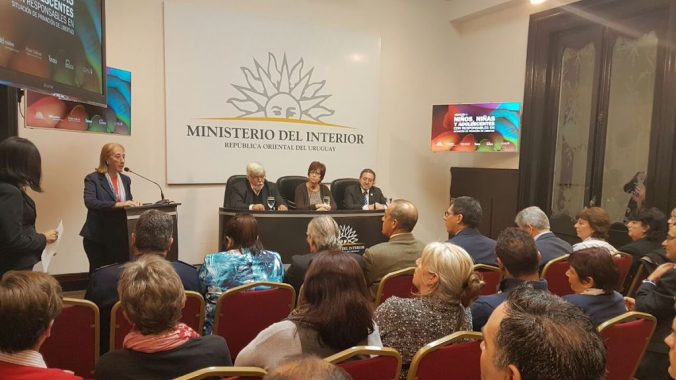
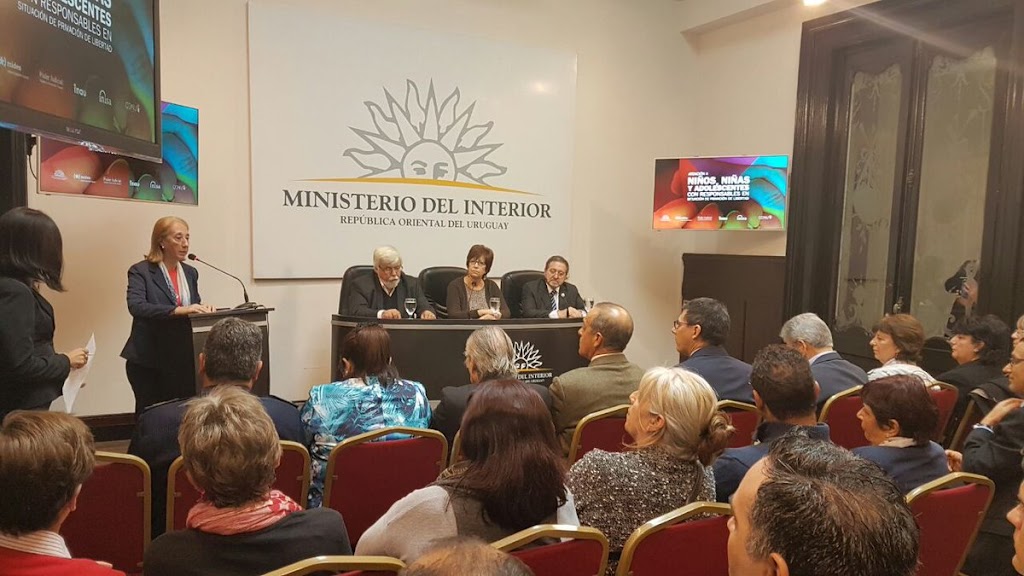
Uruguay presents the Protocol for the attention and support of children with incarcerated parents

Since 2014 several government institutions and civil society organizations working in the development of this project aim to define actions to support children and adolescents with relatives in a situation of deprivation of liberty. The organization Gurises Unidos, representing the platform, contributes through the Child Rights Committee of Uruguay. Also participating in this process was the Ministry of the Interior, the Institute of Child and Adolescent of Uruguay, the Ministry of Social Development and the Judiciary, along with many others.

The Protocol provides regulations to follow in all stages of criminal proceedings where children and adolescents are present, from the arrest to the release of their parent or caregiver.

Some of the recommendations are related to the cases of pregnant women. It is advised that they are given house arrest.So they may have access to food, shelter, health care, education and employment opportunities. Additional resources are available to these women, if at home to support the normal development of the child. It also urges the technical teams to incorporate various avenues of social family strengthening.

Once the children are directly affected by incarceration of their parent, the issue of visitation time becomes present.It is advised that time should not limit the entry of children and adolescents and that family friendly spaces are created inside the prisons.

Lastly, the initiative includes a interagency discussion aimed at monitoring the effective implementation of this protocol and a series of training workshops for leaders and officials that are responsible for the criminal proceedings. In total, 170 officials from nineteen departments have already been trained.

Download the protocol here
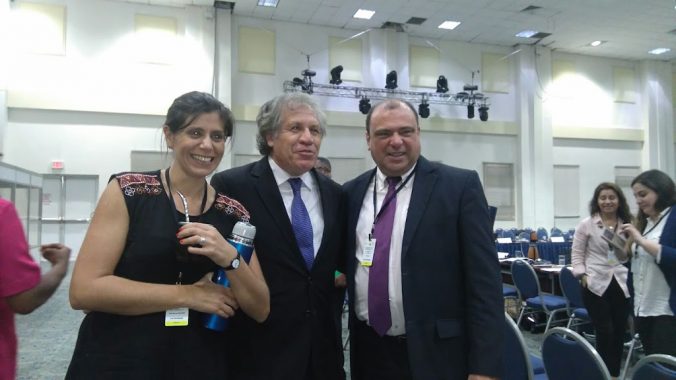
NNAPES Platform participated in meeting of IIN Directing Council of the OAS

Photo: Luciano Cadoni

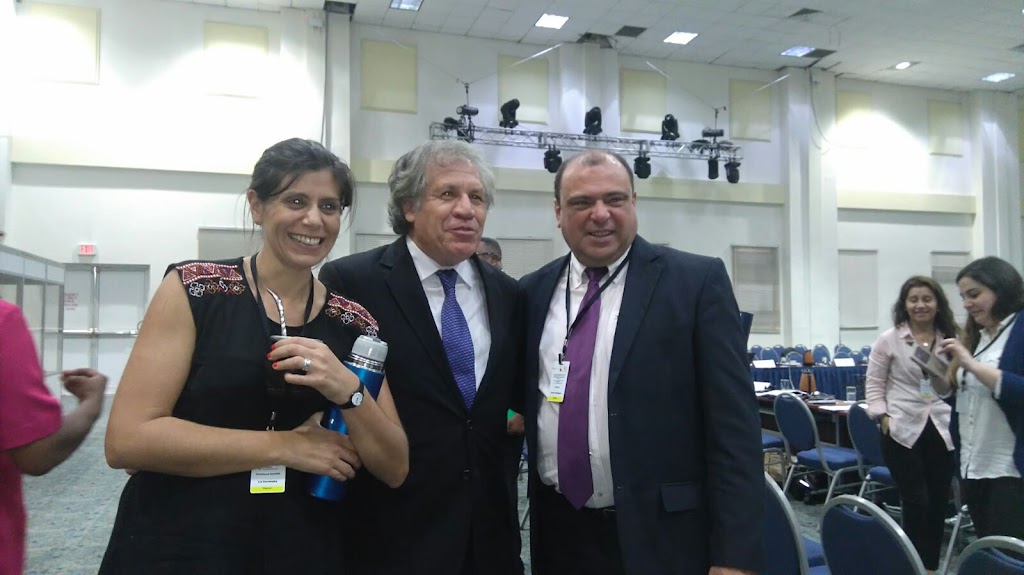
NNAPES Platform representatives participated at the 92nd meeting of Direction Council of the Inter American Institute for Children of the OAS, Children(IIN) that took place in Bridgetown (Barbados) last September.

This time, the Plataforma was given a spot to present the work carried out at the regional level with representatives of States, Civil society organizations and Marta Santos Pais, Special Representative of the Secretary General on violence against children.

The presentation ended with the reading and distribution (in English and Spanish) of the manifesto produced by the youth at the Plataforma General Assembly in the Dominican Republic.

After the presentation, Victor Giorgi, IIN´s Executive Director, highlighted the importance that each country identifies a focal point to commit to work on, to find strategies at the national level and to work on this issue.

In March, the Platform sealed a cooperation agreement with the IIN. This agreement was signed by Victor Giorgi, director of the IIN and Gonzalo Salles, Director of Gurises Unidos, who was accompanied by Lia Fernandez, both members of the Coordinating Team of the Platform (Photo).

The agreement calls for the implementation of joint projects, exchange of ideas, generate knowledge and promote training on the subject of NNAPEs. While also developing initiatives, both at legislative and public policy levels.

First International Seminar on NNAPES in Brazil

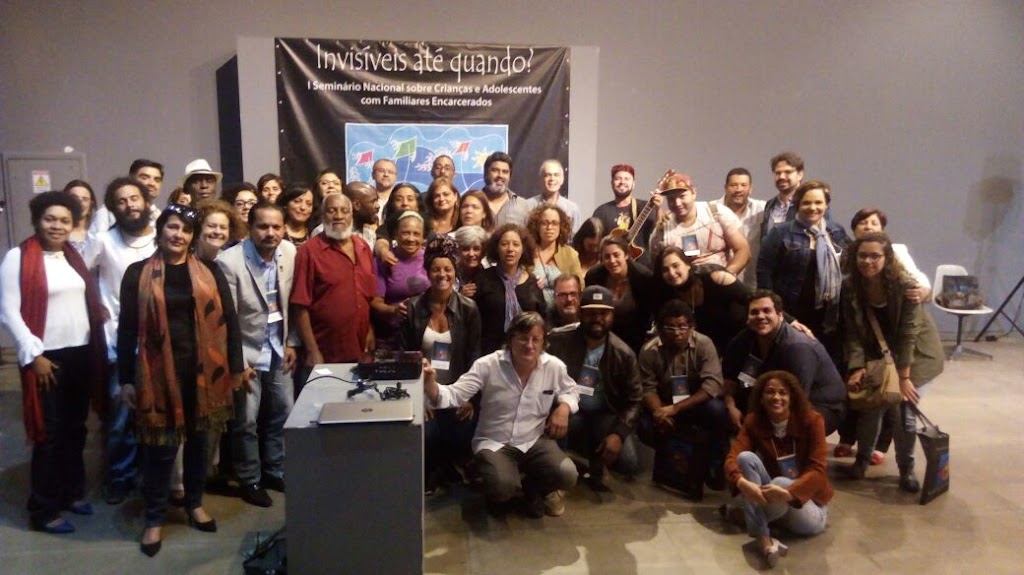
Photo: Projeto Meninos e Meninas da Rua

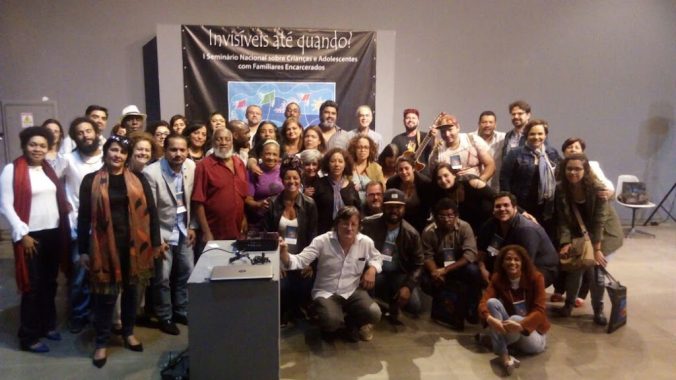
On November 30th and December 1st the First Seminar for children and adolescents concerning adult detainees in São Paulo (Brazil), organized by the Articulação popular do Movimentos de Defesa dos direitos das Crianças e Adolescentes com familiares encarcerados (CAFEs) from Brazil.

In Brazil there are 720,000 people deprived of liberty and 59% of them have children. It is estimated that there are about 1 million children and adolescents with adults deprived of their liberty.The seminar discussed the impacts that incarceration has on the lives of children and their families.

Among the issues that emerged from the discussion was the urgency to find alternative measures to the deprivation of liberty as well as a review of the judicial, correctional and children rights protection system.

The authorities present at the event, including the National Secretary for Children Rights, committed to include the subject in programs involving children and adolescents supported by the federal government. In addition, the parliamentary head of the rights of children and adolescents from the state of San Pablo promised to address the issue in the Legislative Assembly, and to call other representatives to commit as well.

In the upcoming months, CAFEs will prepare a document with recommendations to present to the authorities and they will also try to organize other regional and statewide versions of this seminar.

To see the article that appeared on the state television in São Paulo on the event please click here.

Source: http://cedecainter.org.br

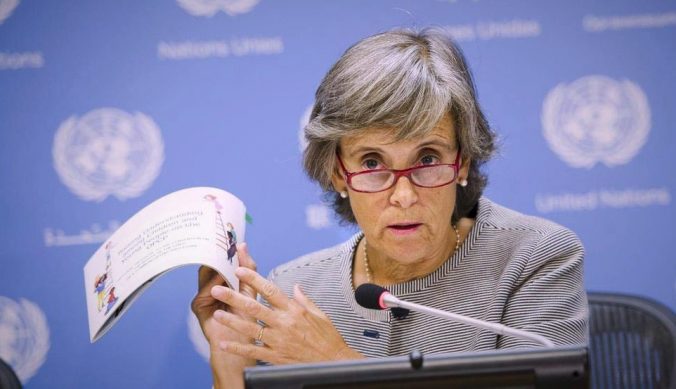
Marta Santos Pais: “The children with incarcerated parents are the most invisible group in public policies”

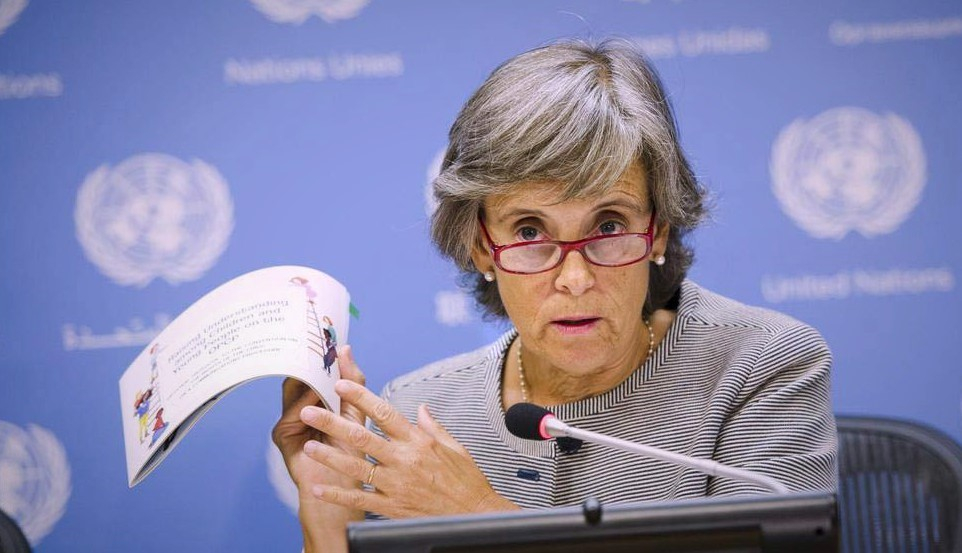
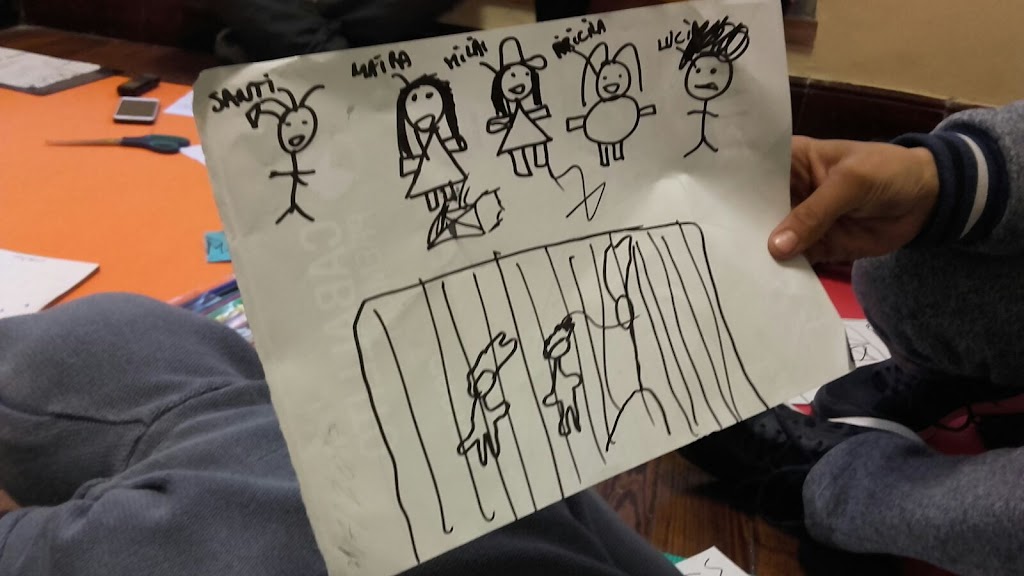
At the last UN General Assembly, Marta Santos Pais, Special Representative of the Secretary-General on Violence against Children (SRSG), presented the preliminary findings of “Las voces de niñas, niños y adolescentes con referentes adultos privados de libertad” (The voices of children and adolescents with incarcerated parents)”. This was a regional research effort carried out last year in partnership with Plataforma NNAPES. 

During her presentation she highlighted that: “These children have the right to visit their incarcerated parents in secure and respectful places.” She then added, “For these children; fear, insecurity and lack of access to support services are very high concerns. Children are often bullied at school because a relative is in prison”.

This research is a contribution to the Global Study on Children Deprived of Liberty . It was produced with the aim of making the situations that these children face visible through the collection of qualitative information collected in 8 countries from the LAC region: Argentina, Brazil, Chile, México, Nicaragua, Panama, Dominican Republic and Uruguay.

What do the voices of children and adolescents in reference to their incarcerated parents say?

The study shows that the majority of these children live in vulnerable situations that worsen when their father or mother is incarcerated.

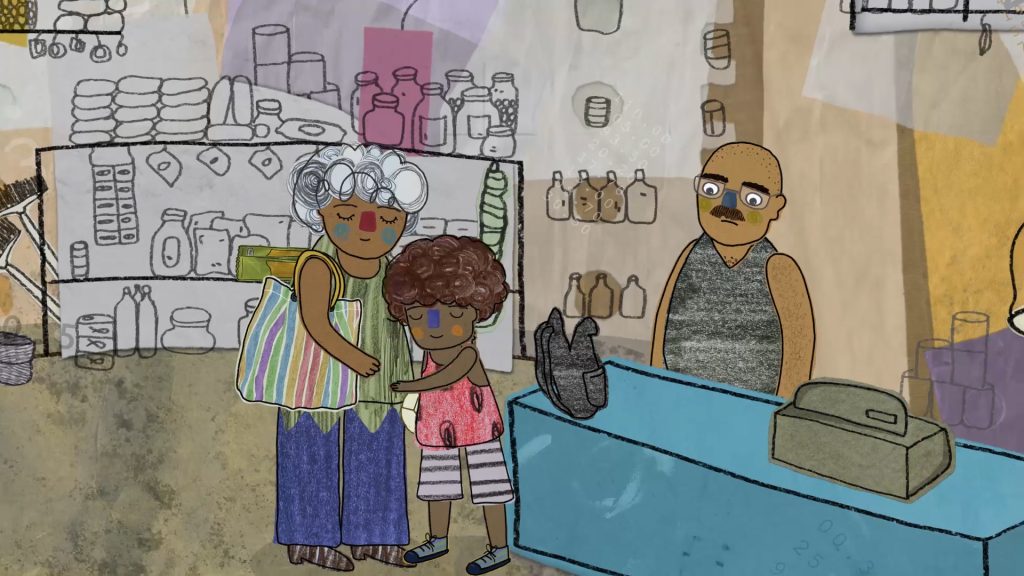
The study highlights the deprivation of liberty that the adult creates negative consequences in every aspect of the child’s life. Some of the many consequences are stigma and social condemnation. For instance, a Mexican adolescent stated “At school, people don’t like you and say: “Oh, your relative is in the prison. They begin to say stuff about you as if you are a criminal yourself.”

The negative impacts on family life are due to changes in the care of the children as well as the changes in the family’s financial situation. The Mexican adolescent states that her family changed a lot when her stepfather was arrested. “My mother wasn’t eating, she wasn’t doing the things she normally did and she wasn’t going to work. She used to get home at 1 or 2 am so no one was there to take care of my little brother.” As presented the child must adapt to the changes in his/her life and take on adult roles.

These children also often face violent situations and thus are forced to start working to provide an income for the family. They are at a higher risk of sexual exploitation and could end up living on the streets.

Another common consequence is the emotional impact on the child. The study highlights that sadness, pain, fear, shame, hatred and anger are amongst the most common feelings.

The situations that are experienced by these children and adolescents can also increase the school dropout rate.The education system in general, isn’t able to provide the support that the child may need to continue with their education. “I didn’t go to school until my mother and father came out of prison.” said a Nicaraguan child.

Lastly, the children and adolescents that participated in the study recommended the following: :

  • Encourage the creation of conversation and open dialogue spaces for children with incarcerated parents. 
  • Ensure psycho-affective and economic support to families. 
  • Perform intersectional programs with a strong emphasis on the education system.
  • Protect the rights of the families to live with freedom from violence.
  • Plan actions for addiction prevention and treatment. 
  • Implement changes in the way arrests and police home invasions occur.
  • Reform the penal system, improve the quality of the visits and allow for a longer time period for visits in the penitentiary centers.

Platform joins Child Rights Connect

Since 2014, the NNAPES Platform has been participating, as an observer, in the meetings of the Working Group on children of incarcerated parents of Child Rights Connect, a network of organizations working to defend the rights of children and adolescents.

The Platform has officially been incorporated into this network, which is currently composed of more than 90 of the most committed organizations and networks of children and adolescents.

This achievement will allow for active participation within the network and enhance the advocacy work that NNAPES has been doing. It will continue to make visible the problems faced by children and adolescents with adult referents deprived of their freedom.

Newer posts »

© 2026 NNAPEs

Theme by Anders NorenUp ↑